-2.jpg)
Latest Edition


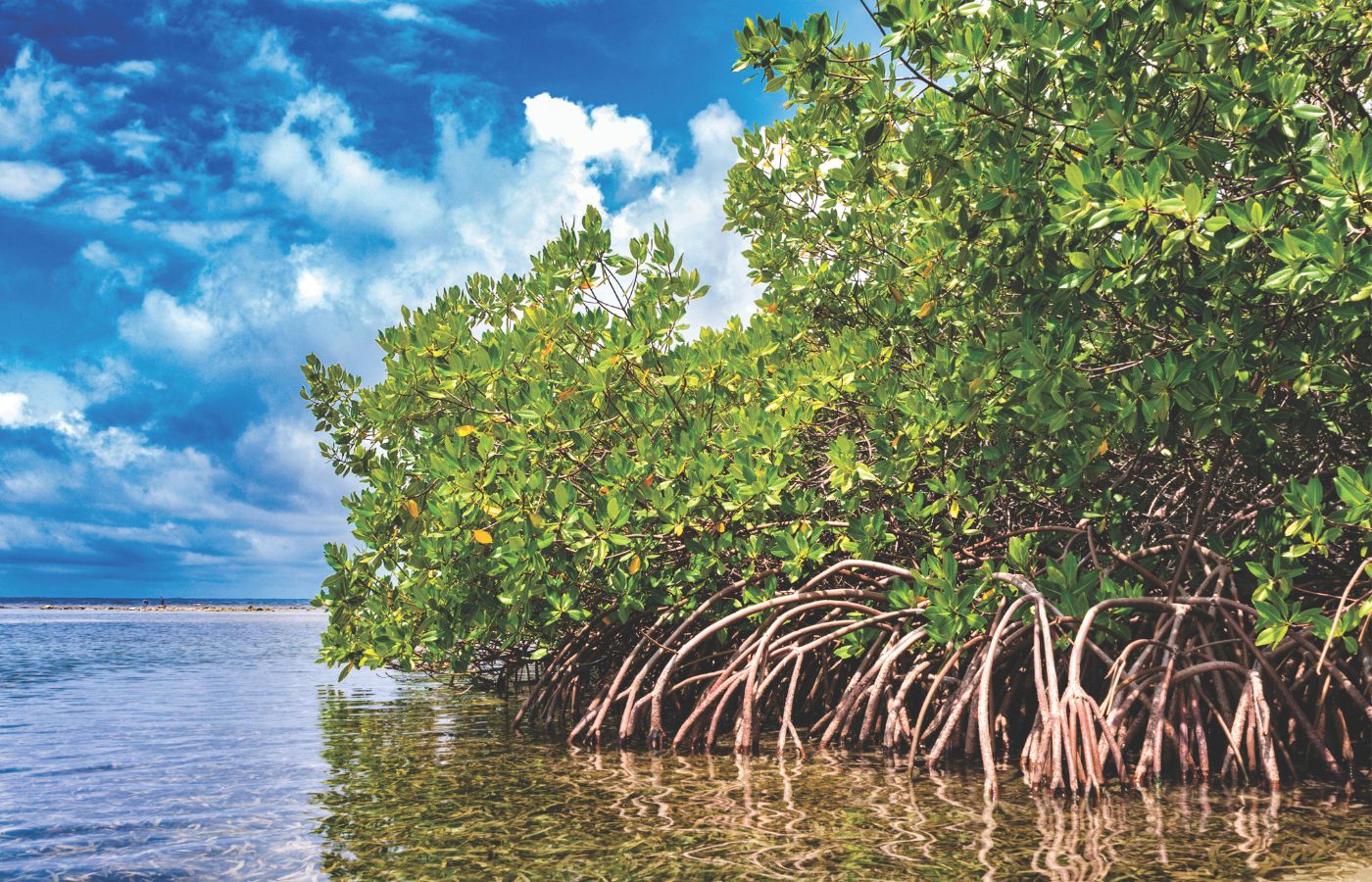
Along the quiet beaches of the south and west coasts of Barbados, just beyond the early light, the first tracks appear before the sun does. A sea turtle has come ashore in the night to lay her clutch of eggs. Her journey is slow, deliberate and exacting. The future she protects will hatch months later and move out into a world that looks nothing like the one she entered as a hatchling.
Turtles are often described as ancient navigators. Yet they are also markers of something far more present. Their survival depends on the stability of coastlines, the health of nearshore waters, and the rhythms of seasons that are no longer predictable. When turtles struggle, coastal economies follow. When ecosystems struggle, economies fail and people suffer. This is also true throughout Latin America and the Caribbean, from the Andes to the Amazon, from the Chaco to the Darién and into the Mesoamerican Reef.
This is the quiet truth Latin America and the Caribbean offer the world. The forces that shape nature also shape markets. The systems that endure are the ones that adapt early. The future opportunities are intrinsically linked to resilience, innovation, inclusion, and above all, effective action.
From May 26-28, 2026, IDB Invest’s Sustainability Week (SW26) will advance this conversation in Barbados. For the first time, this global platform comes to the Caribbean. It is a venue for people who recognize that waiting for ideal conditions is no longer a viable strategy. It is a conversation that shapes partnerships and new business opportunities that result in long-term impact.
Latin America and the Caribbean require more than one hundred and fifty billion dollars each year for sustainable infrastructure. Only a fraction of this amount is actually invested. The rest becomes a tide of good intentions that never reach ground.
This gap is not theoretical. It determines whether a community in the Amazon basin can build a viable economy on bio-factories instead of deforestation. It decides if a new green hydrogen facility in Chile can secure the long-term financing needed to build a new energy export market. It dictates whether a fishing cooperative in Peru can access the capital to invest in technology that proves its practices are sustainable, unlocking new, premium markets.
These shifts do not happen alone. They happen when capital, ideas, and risk appetite are in the same room long enough to convert intentions into action. The capital exists. The appetite exists. The opportunity is to build the bridge between them: a pipeline of bankable projects and financial structures that match a range of global investors’ expectations. Projects must be sound. Risks must be shared. Scale must be achieved.
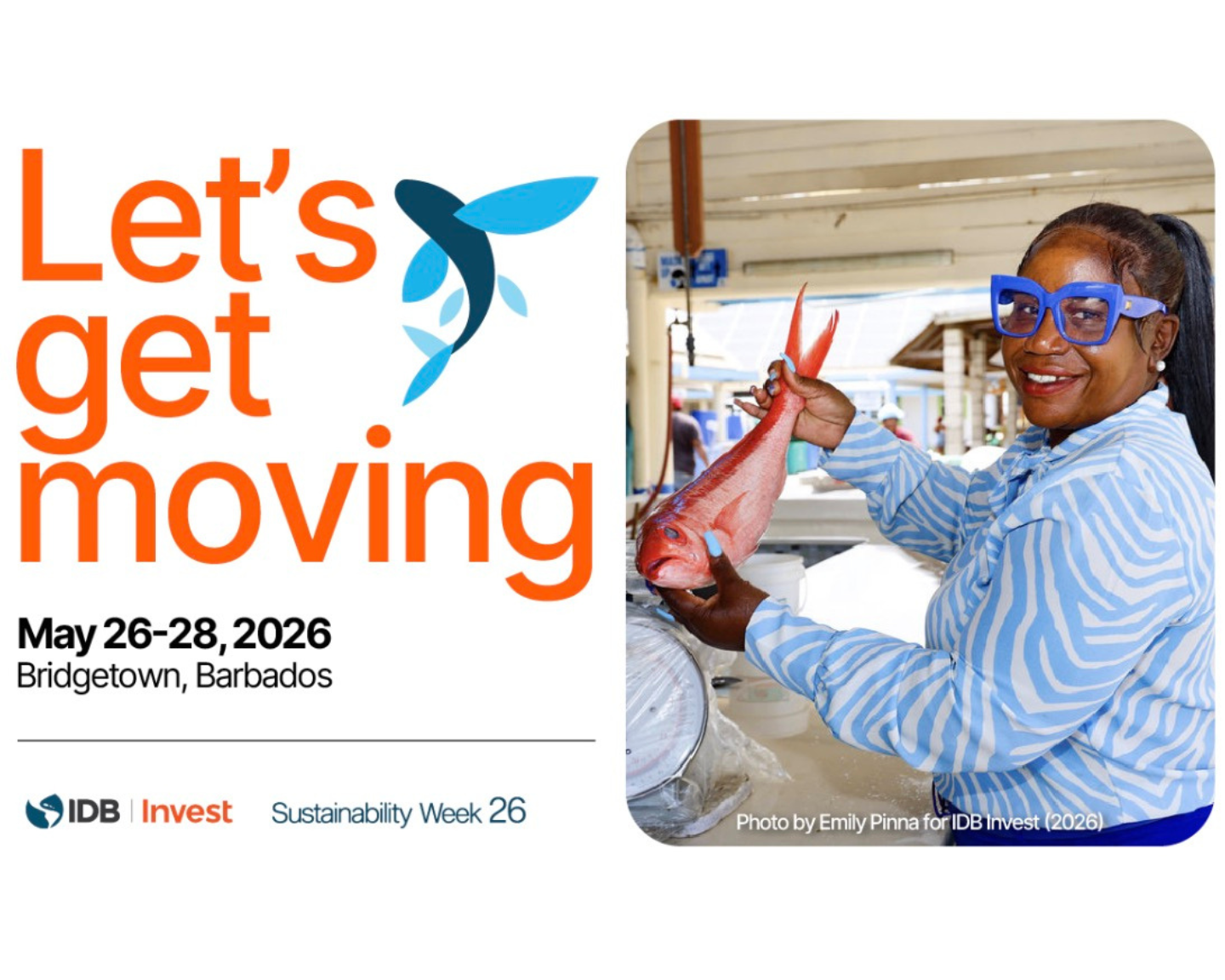
Sustainability Week brings together investors seeking differentiated opportunities, corporate leaders dealing with complex supply chains, and regional business-builders whose modern systems match the realities of emerging markets.
For four days, the conversation will move beyond simple ideas into the difficult work of promoting actions – moving from the “what” to the “how.” This includes building new asset classes, like financing the “missing middle” of small and medium-sized enterprises by bundling their needs into diversified, attractive assets. It means treating Natural Capital as a productive asset, where investments in biodiversity in Mexico or Colombia directly strengthen supply chains for global corporations.
By hosting Sustainability Week here, conversations grounded in place rather than theory will take hold. The stakes are evident. The urgency is shared. For Barbados and the rest of Latin America and the Caribbean, these are not abstract concepts. They are lived realities.
Success is measured by what happens after the final session. Capital deployed. Projects advancing. Partnerships that move from concept to implementation.
Latin America and the Caribbean will define the next wave of sustainable growth. The question is who will help build it and who will watch from elsewhere.